Avoid Water Damage in Boxes: Simple Weatherproofing Tips
Moving in western Washington teaches you humility about water. A clear morning can turn into sideways rain by lunch, and cardboard has no sense of humor about it. A soggy box loses half its strength fast, seams split, and contents wick moisture like a sponge. You do not need specialty gear to stay dry, just a few smart choices and disciplined habits that hold up when the forecast refuses to cooperate.
I have worked crews through downpours in Marysville, Lynnwood, and up the hill in Mukilteo. We learned to treat water as a system, not just falling rain. There is roof water, vehicle spray, puddle splash, and condensation inside sealed containers. The following methods blend field technique and materials that are easy to source. Use them for move day, temporary storage during renovations, or long distance staging across a few nights.
Why boxes fail in wet conditions
Cardboard is a layered paper product. The corrugation gives it vertical strength, but that strength depends on dry fibers. Water weakens the paper bonds and adds weight. Even “heavy duty” boxes can fail if the bottom absorbs water from a damp porch, a truck floor with meltwater, or a storage unit concrete slab after a cold snap. Tape adhesion also drops when surfaces are dusty, cold, or damp, which opens seams for water to sneak in.
The second failure mode is wicking. A tiny wet spot at the bottom edge draws moisture up the wall of a box. If you stack on a wet pallet or set a box in a shallow puddle, the capillary action can soak inches upward in an hour. The third is condensation. Warm, humid air trapped in a sealed box cools during transport or overnight in a garage, then sheds water inside the wrap around electronics or fabric. That is where mildew gets its foothold.
Knowing these mechanisms lets you break the chain with simple barriers and sensible staging.
Materials that actually work in the rain
When someone says, “We wrapped it in plastic,” I ask, “Which plastic?” Thickness and style matter. A retail kitchen wrap clings but tears. Thin trash bags do not hold up to corners. On the other hand, the classic mover’s tools, used correctly, give you weatherproof performance without a lab coat.
- 18 to 20 inch stretch film, 70 to 80 gauge: Good for palletizing and water shedding around boxes without crushing them. Contractor trash bags, 3 mil or thicker: Reliable liners and temporary covers for soft goods and small to medium boxes. Water-activated gum tape or high-tack acrylic carton tape: Gum tape bites into fiber and resists cold peel. Acrylic tape sticks better than hot melt when it is damp and cool. Rosin paper or corrugated sheets: Simple moisture breaks between boxes and wet surfaces, better than a towel that holds water. Pallets or 2x4 runners: Lift boxes off the surface to kill the wicking path. Desiccant packets: Not magic, but helpful when you must seal items that generate humidity, like clothing or linens.
With these on hand, you can adapt to a surprise shower or a day-long rain.
Build water resistance into the box, not just around it
Weatherproofing starts before you step outside. A box that is sealed cleanly and reinforced at known failure points buys you time and reduces the stakes of small spills. The technique is simple and takes one extra minute per box.
Close the bottom using a full H-tape pattern, not just a strip along the seam. Run one long strip across the seam, then two perpendicular strips up the edges to cover the cut corners. If the load is heavy or moisture is expected, add a second long strip over the seam. Press tape with a squeegee or the back of your knuckles to get fiber contact. Inside the bottom, lay a cut piece of contractor bag, foam sheet, or corrugated offcut. That interior liner prevents early wicking and keeps a stray puddle from being the end of the box.
Pack items in plastic when they can tolerate it. Books wrapped in paper feel traditional, but paper absorbs and holds moisture. If the weather looks iffy, slip bundles of books into medium trash bags inside the box. Squeeze out extra air, tape the bag, then add paper cushioning. The box still stacks well, and the primary contents are isolated. For textiles, use clean contractor bags as liners, not as the outer wrap. The box still takes the load, but the liner takes the rain.
Label boxes on two adjacent faces, not just the top. You will stack more confidently and keep tops available for temporary plastic sheeting without losing identification.
Create dry paths at both ends
A covered path is the difference between a controlled load and a scramble. Even a simple rig pays off. At A Perfect Mover Moving and Storage Service, crews build a dry chain from source room to truck using a mix of indoor staging and short exterior sprints. Interior staging reduces how long a box sits near a doorway, which is where wind-driven rain sneaks in.
On the exterior, lay rosin paper or moving blankets topped with painter’s plastic from the threshold to the truck ramp. Secure the plastic edges with blue tape to prevent sliding. Do not lay plastic on stairs or steep slopes without a grippy layer under it. If wind picks up, weigh the edge near the ramp with a short 2x4 so it does not flap water back onto your ramp and shoes.
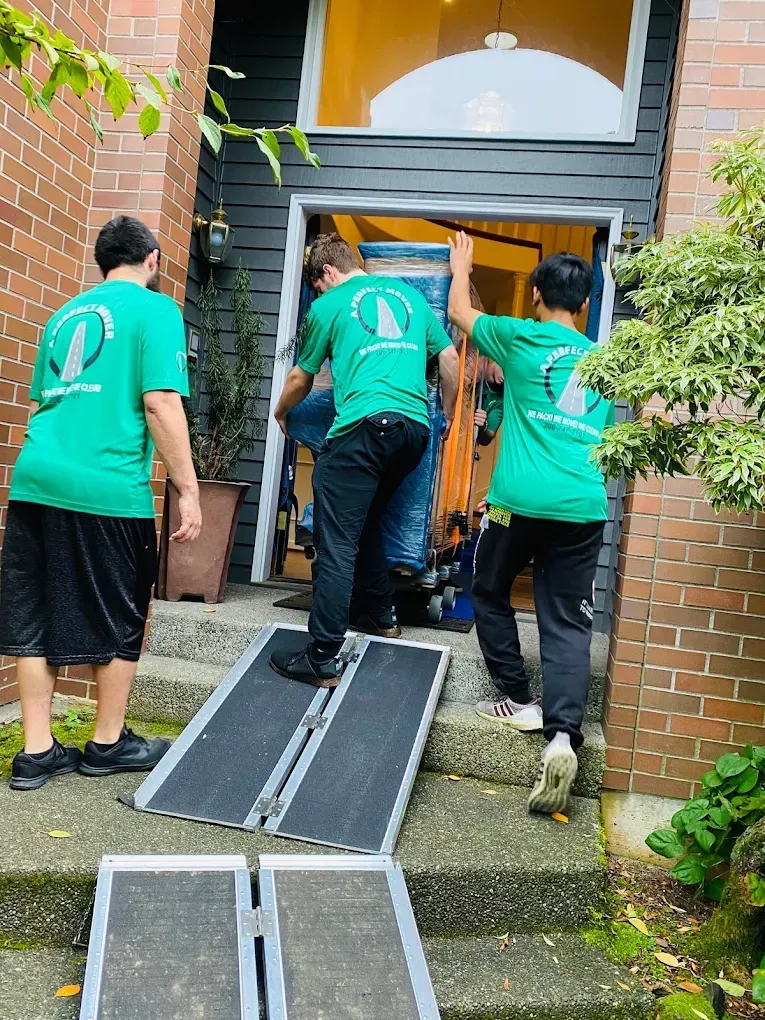
At destination, scout the entry and any overhangs. Set up a pop-up canopy close to the door if there is room, angled so runoff flows away from your path. The canopy creates a pressure relief zone where you can stage, stretch wrap, or re-tape items briefly without soaking them. When there is no space for a tent, you can hang a plastic sheet from the top of the doorway to form a drip edge, secured to the sides so it does not become a sail.
How to handle boxes at the truck in wet weather
The truck is both a shelter and a source of water. Ramps get slick. Water pools near the threshold where the floor channel meets the wall. Keep a stack of cut corrugated or dry moving blankets by the door. Change out wet pieces as you go. Do not let a wet blanket become the sponge that ruins a dry stack.
Load boxes on pallets or build runners with scrap 2x4s. This keeps everything off the metal floor where water collects. Place a moisture break under the first row of boxes even if you use pallets. A contractor bag slit open works well. If you stage overnight, leave a few inches between stacks and the walls for airflow. Condensation on the metal skin runs down the wall and can wick into the outer box edge if it is pressed tight.
Front-to-back, keep the lightest, driest goods higher, and reserve floor positions for plastic bins and sealed totes. If you tape a tarp as a roof inside the truck for long idle periods, give it a slope so movers seattle wa it does not drip onto your top row. Crack the rear door once the rain stops to release humidity before you reopen the full width.
Sealing methods that survive drizzle and downpours
Tape won’t stick to wet cardboard. If you must tape in the rain, wipe and press dry the area with a towel, then apply tape and burnish it. Acrylic tapes hold better than hot-melt glue tapes in cold and damp conditions. Water-activated gum tape is even more reliable. You wet the adhesive, then press it onto the box; the adhesive soaks into the fibers and cures as it dries. It is common on commercial cartons and underutilized in home moves. For weather defense, it shines.
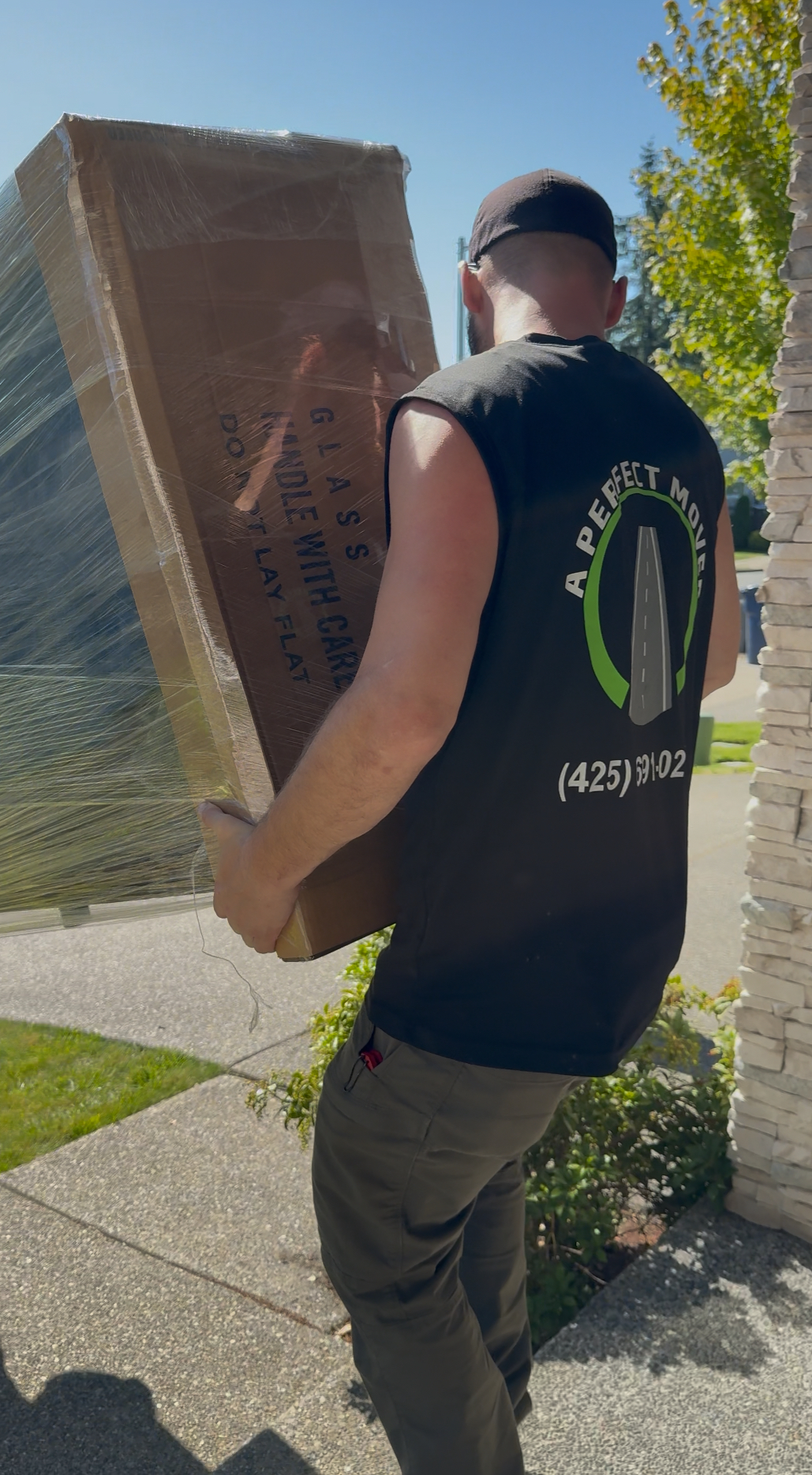
Stretch film serves as a water shed, not a watertight seal. Wrap a medium box with two to three overlapping layers, spiraling upward with about half overlap. Tuck the start under itself and finish with a tight pull around a corner. Avoid crushing the box by yanking too hard. Leave a finger-width gap at the bottom to avoid trapping water that runs down the sides. Remember, film reduces breathability. If contents are damp or the air is humid, add a desiccant packet before you seal.
For electronics, wrap the item in bubble or foam, slide it into a plastic bag, then box it with a liner. Tape the bag closed but leave a small air gap to avoid pressure forcing moisture inside. Mark the box as “do not stack” if you know the top film will be the only water barrier.
Moisture control inside the box
Rain outside the box is obvious. The sneaky problem is what happens inside when warm air meets a cold truck or an unheated storage unit. Clothing, bedding, and paper goods release moisture when compressed. Trap that in a box, put it in a chilly space, then move it into a warm room, and you get a dew cycle. That is why a dry-to-the-touch box can open to a musty smell.
The fix is part packing, part timing. Make sure textiles are fully dry before packing. Run a dehumidifier the night before in rooms with linens and clothing. For moves during wet seasons, toss two or three silica gel packs into each box of textiles or books. Use a barrier liner so the packs are easy to retrieve when you unpack.
If you must stage in a garage or a portable storage container, leave small gaps in stacks to promote airflow. Do not press boxes tight to exterior walls. A two-inch channel is enough to break condensation wicking. If you have electricity, a fan on low pointed across the front of a stack reduces humidity pockets.
The fifteen-minute rain drill
A quick routine prevents small showers from becoming a bad day. We use a simple drill when skies darken.
- Move the next twenty minutes of work inside. Build a staging island two rooms away from the door, not in the entry. Roll out a plastic path and put a drip mat by the truck threshold. Swap mats as they become saturated. Pre-wrap the next group of boxes with a single layer of stretch film, then load in a batch to cut door-open time. Assign one person a towel and tape role. They catch wet edges and re-seal any compromised boxes before they stack. As the rain eases, crack the truck door to vent humidity before opening fully for the next wave.
This short pivot keeps the flow stable. The groups of boxes move as a unit, the door cycles are shorter, and the total exposure drops.
What to do when a box gets wet anyway
Even with careful planning, a box will encounter water. The question is when you discover it. If you see exterior wetness during loading, triage immediately. Set the box on a dry cushion, cut the top tape, and feel the inner liner. If the liner is dry, re-seal and wrap with film to shed any remaining droplets. If the liner is damp, empty the box into a dry, lined replacement. Do not stack a damp box. The weight above will press water into the contents.
If damage is discovered at destination, open boxes in a warm, dry room, not in a chilly garage. Spread items out on clean towels, and run a fan. For books, slip sheets of paper towel between pages and change them after an hour. For electronics that were sealed in a bag, leave them bagged for a day so moisture condenses on the bag interior, not the device. Then open and inspect. If a cardboard smell persists in clothing, rewash with a cup of white vinegar before a regular rinse. Avoid heat drying if you suspect moisture inside foams or padding; air circulation works better.
Storing in damp climates without surprises
Storage in Snohomish County and the Seattle metro introduces a slow-mo version of the same issues. Concrete sweats. Winter air carries moisture. Units breathe less than houses. If you plan storage around closing dates, stage with water control in mind. Use pallets or plastic shelving to lift everything off the floor. Run a center aisle so air circulates. Put a moisture break under the first layer of boxes. Stack heavy plastic bins on the bottom and cardboard on top.
Customers sometimes ask if they should switch to all plastic bins. The honest answer depends on contents and timeline. Plastic bins are great at keeping external water out, but they also lock internal humidity in, which leads to musty textiles over months. Cardboard breathes, which is better for some goods if the unit stays dry. In short-term storage, bins shine for the bottom rows. For a long stay, mix both with liners and desiccants. A Perfect Mover Moving and Storage Service trains crews to build that mixed stack and to label bin lids and box sides so you can find essentials without unpacking the whole unit.
When partial packing makes sense to control moisture
You do not need a full-service packing crew to gain the benefits of weatherproofing. Partial packing targeted at water-sensitive zones pays for itself in avoided damage. Think of your home in layers. Kitchen smalls, books, office files, clothing, and electronics are the most vulnerable. Garage tools, pots, and pans are more forgiving.
Ask a local team to come for half a day to box and seal the vulnerable categories with liners, desiccant, and gum tape. You can handle the rest at your pace. We often schedule this on a Thursday or Friday, so if the forecast shifts, you have runway to adjust. A Perfect Mover Moving and Storage Service does this routinely for Marysville families who want to keep costs controlled while still getting the weatherproofing right where it matters.
Marysville rain specifics, and how to plan around them
Marysville and its neighbors live with a certain kind of rain. It is not always heavy, but it lingers. Drizzle penetrates slowly, which creates a false sense of security, then you find damp corners under the stack. The practical response is to treat even light rain as a reason to use liners and runners. Schedule the load so you are indoors packing during the wettest hours and outside during breaks. If you have flexibility over a weekend, watch the hourly radar and pick your window. For apartment moves near busy corridors in Lynnwood or Bothell, plan for longer carries under partial overhangs and prepare more stretch film. Tight streets in Edmonds or older neighborhoods add time to park and jockey the truck, which increases exposure. Bring extra runners and swap them often.
Case vignette: the kitchen that stayed dry
A couple moving from a split-level in Mill Creek to a townhome in Mukilteo had a small overlap between leases. The forecast called for showers, then clearing late. We packed the kitchen the day before using liners in every dish box and sealed them with gum tape. On move day, drizzle started at 8 a.m. We staged boxes in the downstairs living room on rosin paper, pre-wrapped twenty at a time with one layer of stretch film, and built a roof in the truck using a tarp sloped to the curb side. The only dampness we found at unload was on the stretch film, which we cut away at the staging canopy by the destination door. Not a single dish box had water stains. The couple told us later that they had expected at least a few boxes to show damp corners. The prep saved their nerves.
Trade-offs worth considering
- Full plastic wrap on every box makes sense in heavy rain, but it slows unpacking and traps humidity. Use it selectively. Plastic bins are fantastic for bottom rows, but they can sweat inside over long storage. Add desiccant and avoid sealing damp textiles. Gum tape seals better in the wet, yet requires a dispenser and a little practice. For a small move, high-tack acrylic tape is a simpler upgrade from generic hot-melt. Pallets lift stacks out of harm’s way but cost space. If every cubic foot in the truck counts, 2x4 runners are the middle ground.
None of these choices is one-size-fits-all. Choose based on your weather window, the fragility of contents, and whether items will sit overnight somewhere cold.
A Perfect Mover Moving and Storage Service: the water game plan
When crews train at A Perfect Mover Moving and Storage Service, weatherproofing is part of the loading script. The lead decides the staging rooms, assigns a floor tech to manage runners and swap wet materials, and equips the packer with gum tape for high-value cartons. If rain pops up mid-load, our fifteen-minute drill kicks in without a huddle. The goal is simple - reduce any box’s time outdoors, block wicking paths, and maintain airflow in the truck. Over many Marysville moves, the habit that has saved the most boxes is the interior liner at the bottom of cartons. It looks minor, yet it buys time and margin when a ramp gets wet or when a stack sits in a cold truck through lunch.
Labeling that helps you move faster, which means less rain exposure
Speed matters in the rain, not because rushing is good, but because less door-open time equals less water inside. Label two faces with room and brief contents. Add a top-right corner code like K-S for Kitchen - Small appliances, or LR-B for Living room - Books. When everyone knows where the next set goes, boxes spend fewer seconds in the weather. If you are moving an office, label departments and device types clearly. A quick “IT - Monitors - 2” on both sides keeps them out of the rain at the dock while the team rolls them to the right floor.
For weekend office moves: keep downtime and water hazards low
Weekend office moves in Snohomish County often run through a mix of loading docks, open parking, and elevator lobbies. Rainproofing here is about coordination. Pre-stage carts and bins inside on Friday. Bag cable kits and small devices in clear zip-top bags labeled by desk. On load day, set a canopy outside the dock if security allows, and tarp your ramp. Roll loaded carts in batches. At destination, mirror the setup. The same principles that keep household boxes dry translate to servers, monitors, and paper files. The difference is the higher stakes if a box of records gets wet. Use plastic bankers boxes or lined cartons for files, and never stage them near open doors while crews are on smoke breaks or hauling large furniture.
The quick kit that rescues a rainy day
You can make a lean weather kit that lives in a tote. It is not everything, but it carries you through most surprises.
- Two rolls of 18 to 20 inch stretch film and one roll of 80 gauge for heavy wraps One water-activated tape roll and a handheld dispenser, plus a roll of high-tack acrylic tape Ten 3 mil contractor bags and ten medium trash bags Rosin paper roll or a stack of flattened boxes for moisture breaks A dozen silica gel packets and a clean towel
Keep this tote by the door. When the sky flips, you are not hunting through a garage to find supplies.
After the move: airing out without creating messes
Once boxes land in the new space, resist the urge to rip everything open in a damp house. Start with ventilation. If the weather is dry, open windows briefly to swap air without lowering the indoor temperature too much. If it is humid, run bathroom fans and the range hood to pull moisture out, and set a box fan to move air through the main hallway. Open a few boxes in each room and pull out textiles first. Give them a little space. Electronics can wait until furniture is in place and the air has stabilized.
If you used a lot of plastic wrap, cut it away quickly rather than letting it hold surface condensation against boxes. Set damp runners aside to dry before storing them. If any carton shows water stains, prioritize its contents for inspection even if the room is not set up yet.
When your schedule is tight, time storage around the weather
Sometimes you cannot dodge the rain, especially when closings slip. If you have to store for a few days between homes, aim for a dry load-in to storage and a dry load-out, even if that means moving the truck midsession. You are better off doing two shorter hauls in windows of lighter weather than one big push through a storm. If you are working with a mover, ask about flexibility for a two-phase plan. It is common for us to hold a loaded truck overnight in a secure yard when the forecast shows a genuine break the next morning. The boxes do better in a controlled truck with airflow and runners than in a damp concrete unit after dark.
Final judgment calls that make a real difference
Field experience compresses into a few rules you can apply without overthinking. First, build a dry path. Second, line the bottom of boxes and lift stacks off any surface you suspect might be damp. Third, treat drizzles like rain for the first hour, because that is when seal failures start. Fourth, favor sealing methods that grip in the wet - gum tape or high-tack acrylic tape beat bargain rolls every time. Fifth, put your time into the boxes that cannot get wet: books, textiles, files, and electronics.
The goal is not perfection, it is margin. You want every step to give you a buffer, so when a puddle splash or a gusty squall hits, your boxes have three layers of defense already in place.
How A Perfect Mover Moving and Storage Service teaches crews to think about water
At A Perfect Mover Moving and Storage Service, we teach a simple mantra on wet days: isolate, elevate, ventilate. Isolate contents with liners and tight seals. Elevate stacks with runners and moisture breaks. Ventilate the truck and staging areas to beat condensation. It is not fancy, but it works across apartments, townhomes with tight turns, and multi-story homes where the carry path passes an exposed landing. The method is the same whether the job is a short local hop to Everett or a long-distance pickup staged for two nights. Consistency keeps boxes dry.
Water is part of moving in our region. With a little planning, the right tape and plastic, and habits that take minutes to apply, your boxes can ride through it without drama. The rain can keep falling. Your belongings do not have to feel a drop.